Metal Mesh for Laminated Glass
Fine woven wire mesh as a laminated glass interlayer — suitable weaves and metals, what to confirm with your glass processor, and why lamination trials matter.
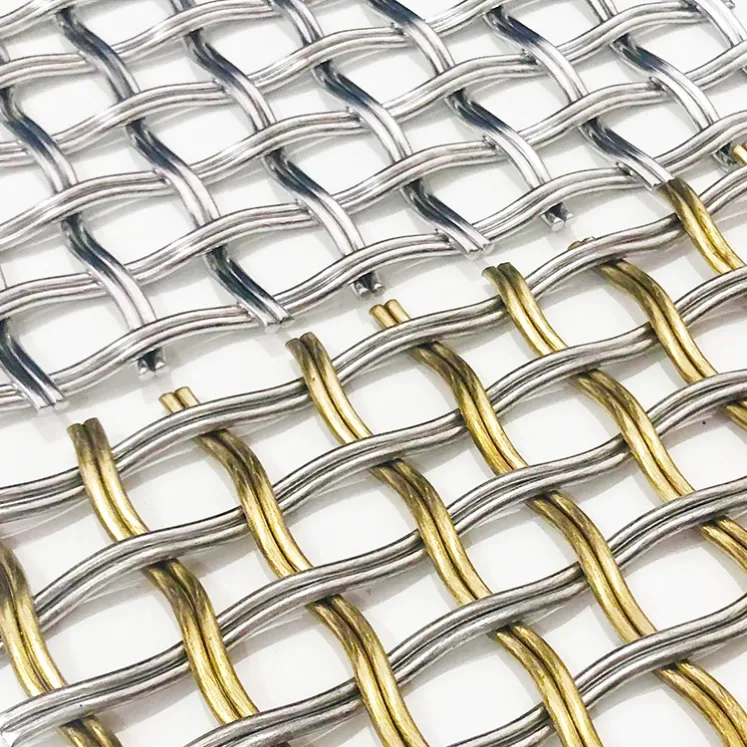
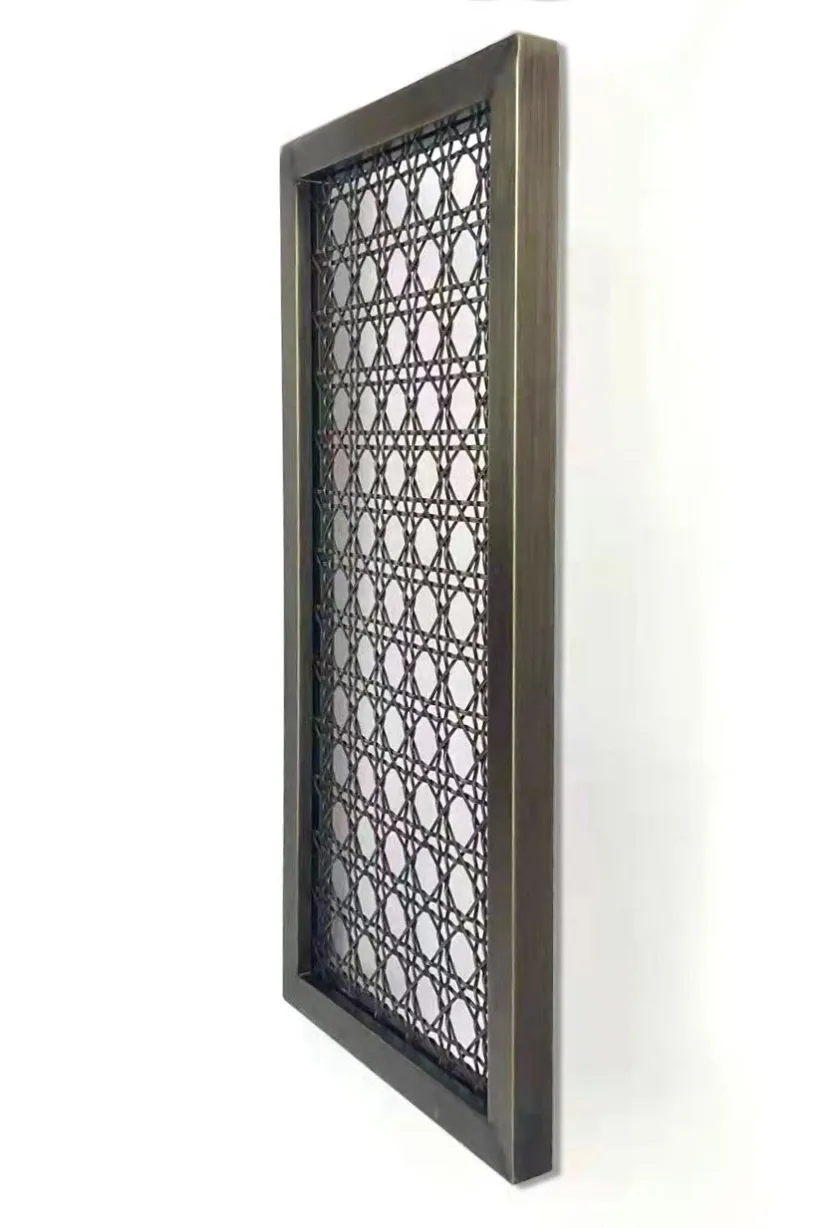
A fine metal fabric suspended inside glass is one of the most refined uses of woven wire: the pattern holds perfectly flat, protected on both faces, catching light while the glass provides the structure and the cleanable surface. It is specified for feature walls, partitions, balustrade panels, doors and furniture glass in hotels and high-end commercial interiors. This guide explains what YXL supplies into that build-up, which meshes suit it, and what must be confirmed before production.
What YXL Supplies — and What We Do Not
YXL supplies the woven wire interlayer material to glass processors, laminators and the joinery and glazing contractors who work with them. We do not manufacture, laminate or supply finished laminated glass panels. The glass, the interlayer film, the lamination process and the finished panel's performance belong to the glass processor. This distinction matters for specification and for liability: the mesh should be specified as a material within the processor's tested build-up, and the finished panel warranted by the processor who made it.
Which Meshes Suit Lamination
The interlayer mesh family is our fine woven wire — the metal wire mesh category rather than the heavier architectural weaves:
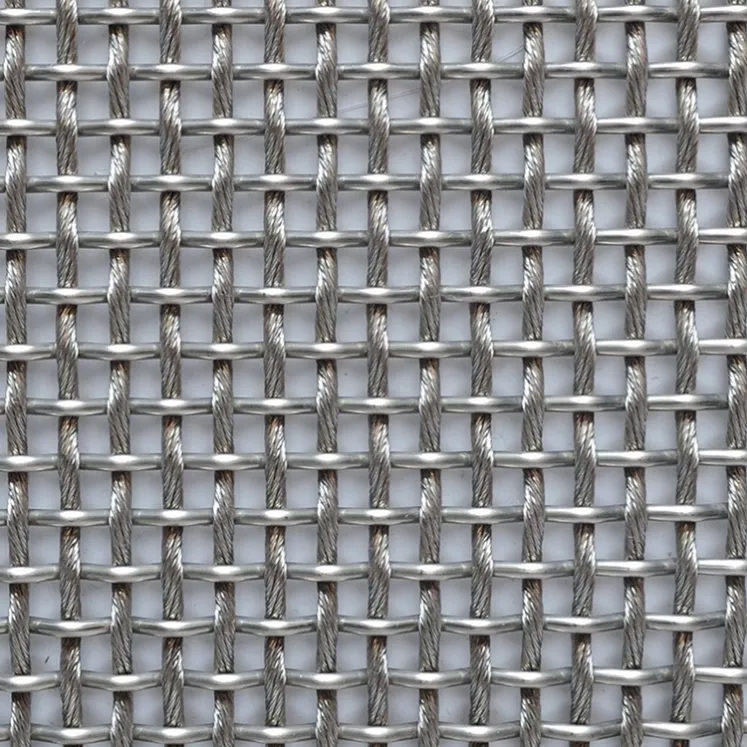
- Fine stainless steel fabric — plain-weave fine wire, neutral in tone, dimensionally stable and the most forgiving in lamination.
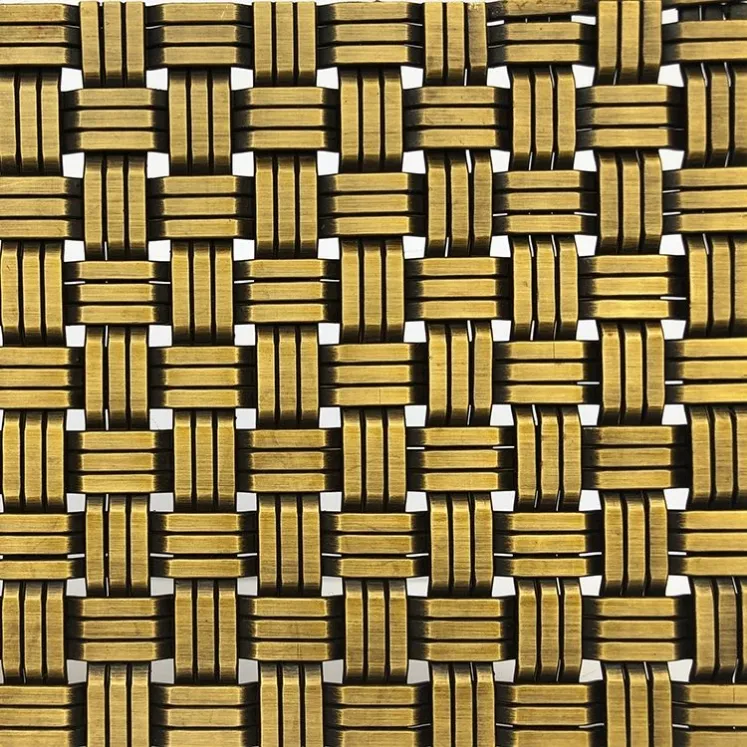
- Genuine brass fabric — real brass wire woven fine; its warmth reads clearly through glass and it is frequently chosen precisely because it is the genuine metal, not a colour applied to something else.
- Genuine copper and mixed-metal fabrics — copper tones, and two-tone weaves combining metals for patterned effects.
Suitable meshes share three properties: they are thin, so the film build-up can encapsulate them; they are flat and consistent in thickness, so pressure distributes evenly in the laminating cycle; and they are clean, free of oils and loose wires that could show as defects. Heavier cable meshes and rigid architectural weaves are generally not interlayer materials — if a design calls for a bold, heavy pattern in glass, discuss it with the processor before assuming it can be laminated.
What to Confirm with Your Glass Processor
Before ordering mesh for a project, align these points with the processor who will laminate it:
- Film system and build-up — which interlayer film (for example PVB, EVA or ionoplast-type films) the processor will use, and whether the mesh thickness sits comfortably within the total film thickness on both faces.
- Panel sizes — the mesh width and piece sizes against the processor's glass sizes and autoclave or oven capacity.
- Pattern orientation and joints — weave direction on the panel, and how pattern alignment is handled where panels sit side by side.
- Edge detailing — whether the mesh runs to the edge of the glass or is held back, and how edges are finished (see below).
- Cleaning and handling — how the mesh should be cleaned and handled before lamination, and who is responsible for inspection at that stage.
Trials Are Not Optional
Fine mesh in glass produces effects that cannot be fully predicted from a mesh sample alone. Pattern moiré can appear between the weave and reflections or adjacent patterns; colour shifts through tinted or low-iron glass; and the lamination cycle itself can reveal bubbles, edge effects or local delamination if the material combination is unhappy. All of these outcomes depend on the specific mesh, film, glass and process parameters together — they are properties of the processor's build-up, not of the mesh in isolation.
For that reason we always recommend a lamination trial: the processor laminates trial panels with the actual mesh, at project size if possible, and the designer approves the laminated result — not the loose fabric — before production quantities are ordered. We supply sample material for exactly this purpose.
Edges, Moisture and Delamination — Stated Carefully
Two topics deserve honest wording. First, edges: at an exposed panel edge, a metal mesh that reaches the edge can provide a pathway for moisture to track inward over time, particularly in bathrooms, pool areas and exterior applications. Holding the mesh back from the edge, sealing the edge, or accepting the detail in a dry interior are all legitimate approaches — but the choice belongs to the glass processor's detailing and warranty, and should be made explicitly, not by default. Second, delamination: where it occurs in mesh laminates it is typically associated with moisture, contamination or incompatibility within the build-up. Prevention is a matter of the processor's materials, cleaning regime and process control. We state this plainly because a mesh supplier who promises a delamination-proof panel is promising something that is not theirs to control.
How to Order
Tell us the mesh pattern and metal, the panel schedule or piece sizes, and your processor's requirements from the trial. We will confirm the weave can be produced to the needed width and consistency, and supply sample material first so your processor can run trials. Send us your drawings or panel schedule, and we will prepare interlayer samples for your processor's evaluation.