Brass vs Stainless Steel Mesh
Genuine brass mesh, brass-finished stainless steel and plain stainless steel compared — appearance, patina, maintenance, cost drivers and where each makes sense.
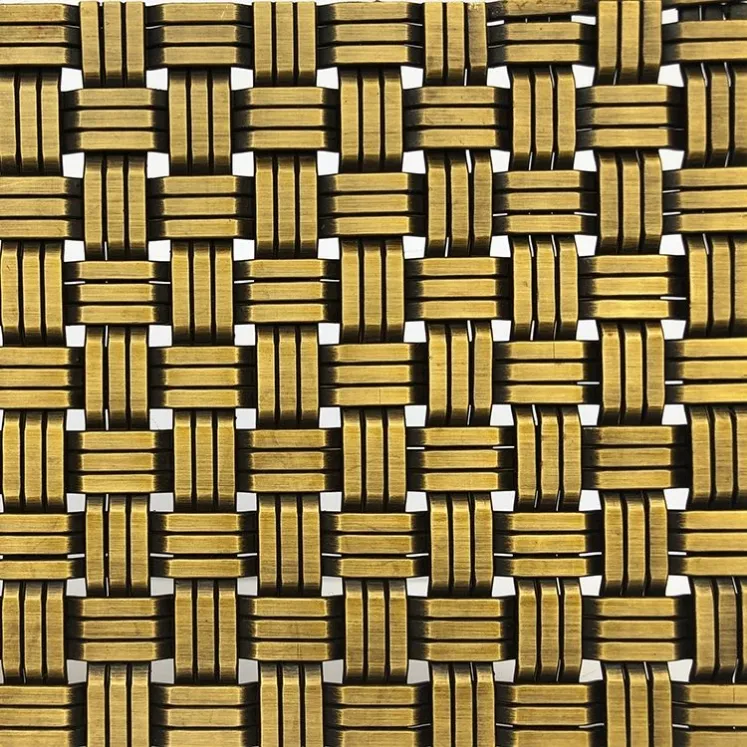
"Brass mesh" is one of the most requested — and most loosely used — phrases in decorative metalwork. It can mean three quite different products: mesh woven from genuine brass wire, or stainless steel mesh given a brass-coloured finish, or plain stainless that has not been separated from either in the speaker's mind. The three differ in appearance over time, in maintenance, in cost and in where they belong. This guide separates them.
The Three Options, Defined
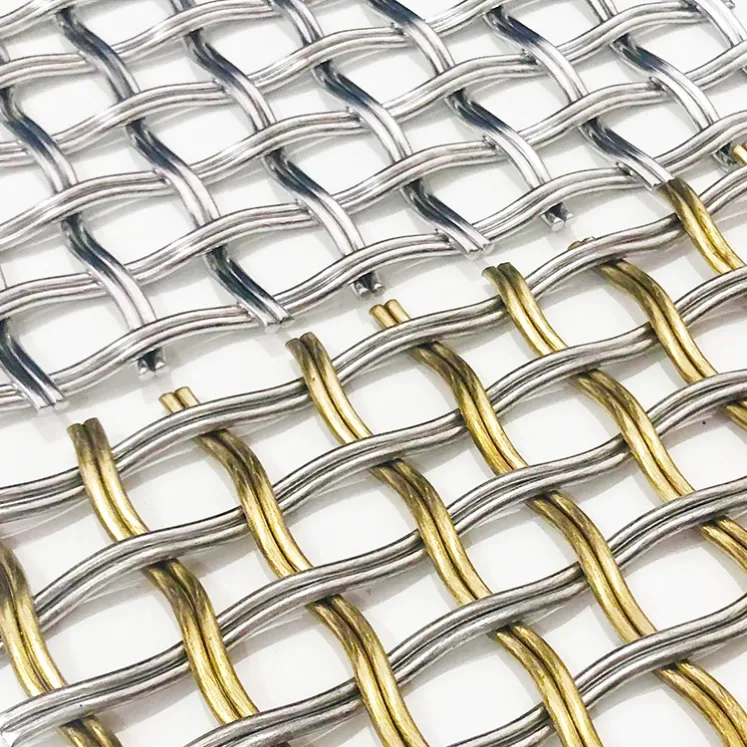
Genuine brass mesh. The wire itself is brass — a copper-zinc alloy — drawn and woven as brass. The colour goes all the way through the wire: cut it or abrade it, and it is brass underneath.
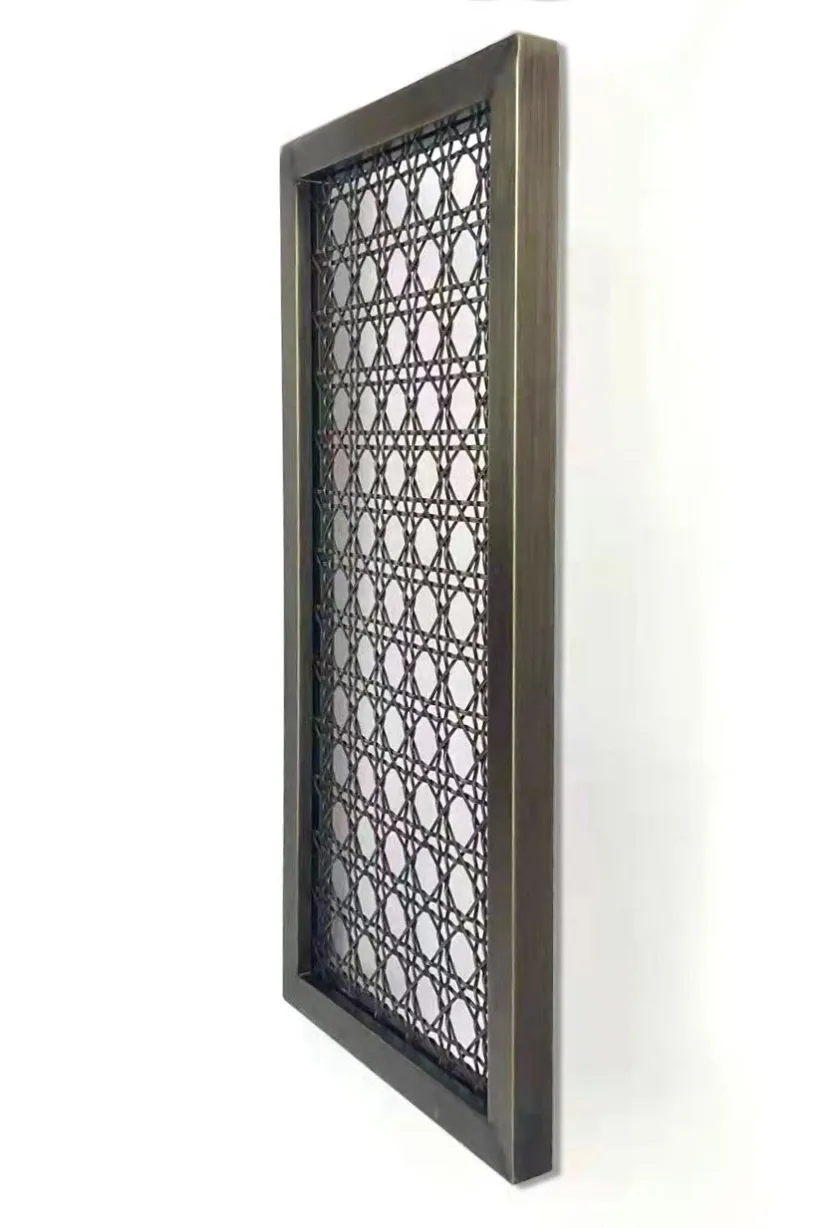
Brass-finished stainless steel. Stainless steel wire, woven, then coloured at the surface — for example with a PVD coating or an antique-brass finish — to read as brass. The colour is a layer; the metal beneath is silver-toned stainless.
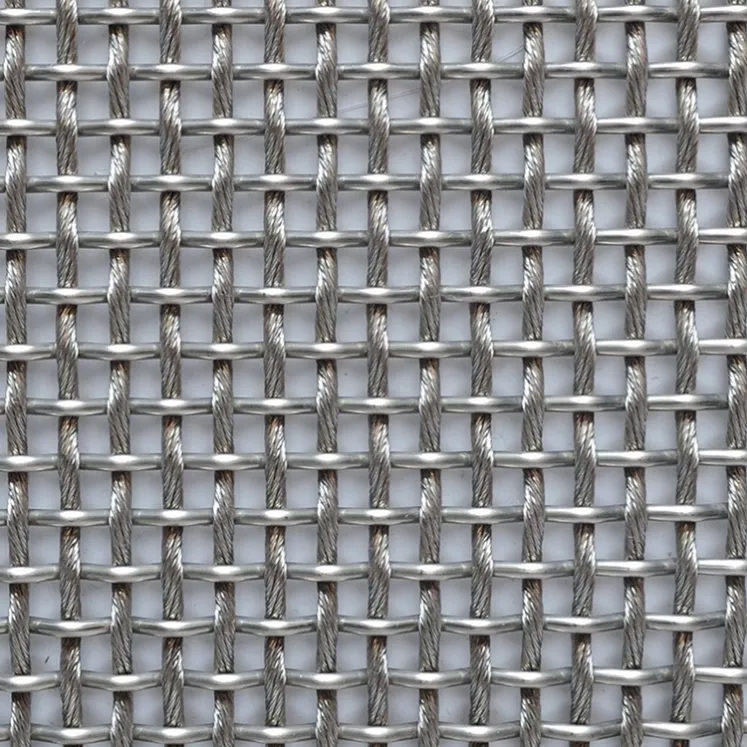
Plain stainless steel. Woven stainless wire in its own finishes: natural, brushed, polished, or darkened treatments in bronze and charcoal tones that do not imitate another metal.
Appearance: New, and Over Time
New, all three can be made to look convincingly warm or convincingly neutral, and a brass-finished stainless can be colour-matched closely to a brass sample. The difference is what happens next.
Genuine brass is a living finish. In an interior it deepens gradually, from bright gold toward a softer, browner tone; in humid or coastal air the patina strengthens and can develop greenish notes. Many designers specify brass for this ageing — it is the character of the real material. Where a fixed colour is required, brass can be lacquered to slow the change, accepting that lacquer has its own service life and ages unevenly at touch points.
Brass-finished stainless holds its colour far more consistently, because the base metal does not patinate. Its vulnerability is mechanical: at points of repeated contact or abrasion, the colour layer can wear through, and where it does, the silver stainless beneath shows. In low-contact applications — ceilings, wall cladding — this may never occur in the building's life. On a cabinet door edge or a handrail-adjacent panel, it is a real consideration.
Plain stainless is the most stable of the three. Brushed and polished finishes keep their appearance with routine cleaning, and there is no colour layer to lose and no patina to manage.
Environment and Durability
Stainless steel — in the grade appropriate to the environment, with higher-alloy grades such as 316 typically selected for marine and exterior exposure — is the default for exterior, humid and high-traffic use. A brass finish on a stainless base inherits most of that practicality, subject to the wear consideration above.
Genuine brass performs well in interiors. For exterior or wet environments it needs an explicit conversation: patina will be faster and less even, and whether that is acceptable — or desirable — is a design decision, not a defect. For laminated glass interlayers, genuine brass and copper fabrics are often the first choice, because inside glass the metal is sealed from air and touch: the colour approved is essentially the colour that stays.
Maintenance
Stainless mesh, plain or brass-finished, is maintained as stainless: wash with mild detergent, rinse, dry; avoid chloride-bearing cleaners and steel wool, which can mark the surface or damage a colour layer. Genuine brass asks for a decision: leave it to age with nothing more than dusting and gentle cleaning, polish it back periodically (labour that should be planned, not discovered), or maintain a lacquered finish and accept eventual re-lacquering at wear points.
Cost Drivers
No honest comparison can quote figures without a specific weave and quantity, but the drivers are consistent. Genuine brass carries the cost of copper-alloy wire — intrinsically more expensive than stainless wire, and variable with metal markets — and fine brass fabrics are slower, more delicate work to weave. Brass-finished stainless adds a finishing process to a stainless base and typically lands below genuine brass for comparable weaves — one reason it is chosen for large areas. Plain stainless in standard weaves is generally the most economical and the most readily available in wide formats. Framing and fabrication usually move the final price as much as the mesh itself.
Where Each Makes Sense
- Genuine brass — premium interior features where the real material is the point: fine fabrics for laminated glass, woven art and patterned panels, cabinet and furniture inserts, screens in hotels and residences where patina is welcomed or lacquer maintenance is accepted.
- Brass-finished stainless — larger fields and higher-wear or budget-sensitive applications that need the brass look with a stable colour: wall cladding, ceilings, partitions and commercial interiors with heavy public contact.
- Plain stainless — contemporary interiors and exteriors, facades and screening, high-traffic and humid environments, and anywhere a neutral, permanent finish is wanted.
Specifying Honestly
Our rule, applied on every specification we issue, is simple: base metal and finish are always stated as two separate facts — "brass wire, natural, lacquered" or "stainless steel wire, antique brass finish" — never just "brass". We recommend designers hold every supplier to the same rule, because it is the only way to know what will arrive, how it will age, and what it should cost.
If you are deciding between the three for a live project, request samples of each in the actual weave — genuine brass, brass-finished stainless and plain stainless side by side — and view them under your project's lighting. Then send us your drawings, and we will specify and price the options on that like-for-like basis.